Qualified discovery
Your brand appears when a relevant customer is actively comparing options.
AI Search Visibility & GEO
We improve how your brand appears in ChatGPT, Gemini, Perplexity, and AI search, then implement the technical and content changes behind better visibility.
More relevant visibility can create more qualified visits, sales opportunities, and revenue.
A case-specific GEO process
What is blocking this brand from the answer?
GEO first. Engineering underneath it.
From visibility to business impact
When AI systems can access, understand, and trust your information, they are more likely to include your brand in relevant answers. That can bring qualified people to your site and create more opportunities to sell.
Your brand appears when a relevant customer is actively comparing options.
Citations give interested people a direct path to the right page on your site.
More relevant visits can create more enquiries, sales opportunities, and revenue.
Visibility does not guarantee revenue. But a brand that is absent from the answer cannot earn the visit that follows it.
Selected work
Open any project to see what changed, why it mattered, and how the business became easier to understand and discover.
Explore all work
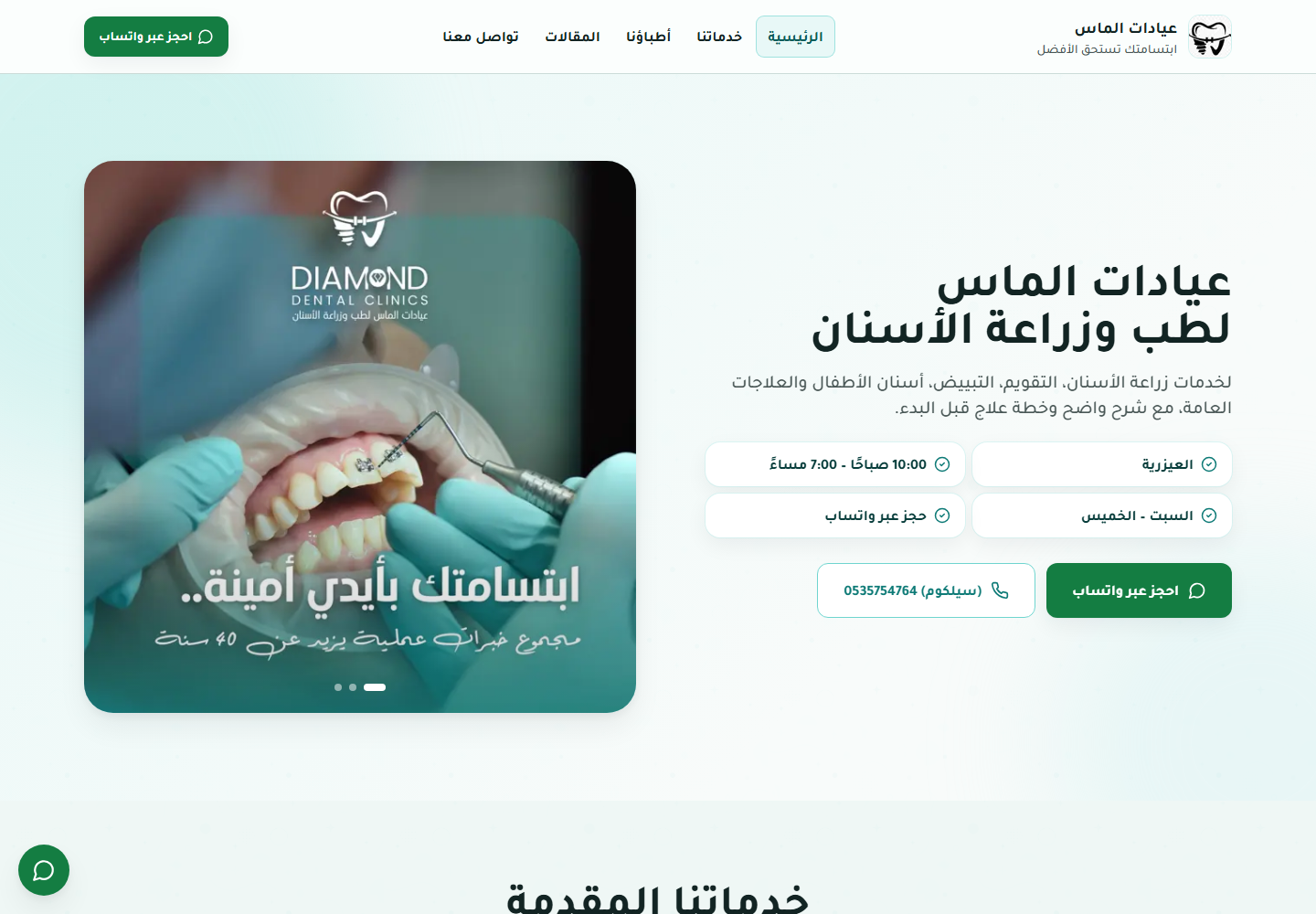
Healthcare
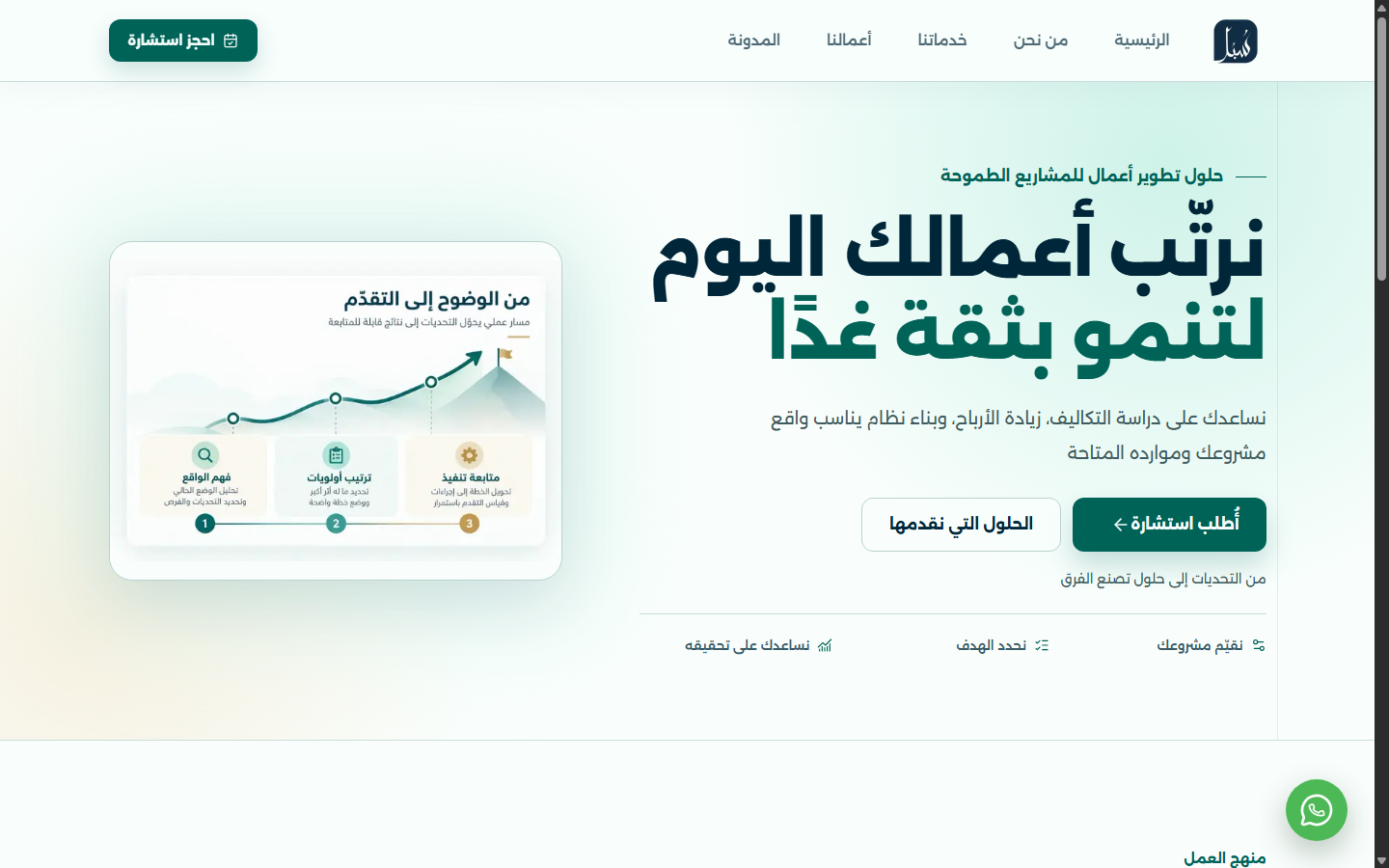
Turning a social-first dental brand into a structured, searchable digital presence.

Business development
Building a flexible business website that stays optimized while the team controls its content.
What GEO means to us
We look at the full path between your organization and the answer an AI system gives.
Can AI understand who you are?
Can it identify what you offer?
Can it retrieve the right page?
Can it verify your claims?
Does it cite you?
Does it recommend you when relevant?
What we improve
Every area answers the same question: what will make the organization more visible, retrievable, citable, and recommendable by AI?
Understand the brand's mission, goals, audience, priority offers, buyer journey, and the commercial outcomes visibility should support.
Turn the plan into realistic audience questions, target platforms, prompt sets, competitor tests, and measurable visibility benchmarks.
Improve architecture, crawlability, metadata, structured data, internal relationships, and crawler access so important pages are not hidden from or blocked for AI bots.
Clarify sourcing, provenance, authorship, freshness, and trust signals so authoritative resources are easier to identify and cite.
Connect brands, products, services, people, topics, and resources so machines can understand the relationships between them.
Run recurring prompt benchmarks, monitor citations, re-test changes, track gaps, and prioritize the next improvement.
Our approach
Every organization has a different visibility problem. We investigate before choosing the intervention.
Automation accelerates execution. Analysis determines the strategy.
Your mission, what the brand wants to sell or achieve, who it needs to reach, its priority services, and how those people actually research.
Turn those goals into a visibility plan: prompt research, target questions, AI platforms, entities, topics, buyer journeys, and success measures.
When the brand appears or disappears, which sources and pages are preferred, what is unclear, and where retrieval fails.
Only the relevant changes: site architecture, AI-bot access, technical controls, data, content, entities, provenance, internal links, or retrieval improvements.
Repeat the benchmark and measure visibility, citations, recommendations, source inclusion, and page retrieval over time.
Technical capability
These are not separate services. They are capabilities we use when they help solve a GEO problem more effectively.
We understand how LLM-based systems retrieve, reason over, and generate information. This helps us diagnose why a brand does or does not appear.
Experience with semantic retrieval and RAG helps us reason about how systems choose sources, passages, and context. We use that perspective to diagnose GEO, not to sell RAG as a separate service.
Frontend, backend, architecture, and technical implementation experience means we can make the improvements, not stop at recommendations.
When useful, we prepare websites and knowledge systems for advanced AI discovery through tools, structured information, and machine-readable interfaces.
Case-specific GEO
The work changes with the evidence. We do not apply the same SEO or GEO recipe to every organization.
Possible focus: Citation-ready resources, provenance, authority signals, and deep-page optimization.
Possible focus: Entity relationships, service and expert pages, structured knowledge, and topic mapping.
Possible focus: Retrieval analysis, content architecture, source authority, internal linking, and technical signals.
Possible focus: Semantic search, structured relationships, knowledge graphs, and RAG when appropriate.
We use established AI platforms, open-source projects, evaluation frameworks, web-auditing tools, APIs, and custom scripts to accelerate GEO research and implementation.
A tool can identify a signal.
We determine whether it matters for your case.
Experience behind the work
Our technical background helps us understand how modern AI systems access, select, and use web information, then implement the changes that improve visibility.
AI Engineer • Web Developer • GEO Implementer
Advanced capability, when needed
Some organizations have discovery problems that page-level changes alone cannot solve. When appropriate, we can build structured knowledge or retrieval systems that make information easier for people and AI systems to find.
A practical starting point
We help organizations understand how AI systems currently see them, identify the real visibility or retrieval gap, implement the right improvements, and measure whether they worked.
Discuss your AI visibility
See our GEO approach